
9 Red Flags to Avoid When Hiring a Web Designer

If you’ve never hired a web designer before, it’s completely normal to feel unsure about what you’re looking for, or what could go wrong. Most wellness professionals reach this point long before they ever book a call: you’re ready to take your business seriously, you know your website needs to evolve, and you want to feel confident walking into the process.
But because this is unfamiliar territory, it’s hard to know what’s worth paying attention to. What actually matters? What’s “normal”? And what would be a genuine sign that a designer isn’t the right fit for you?
You don’t want to spend money and end up feeling misunderstood.
You don’t want to enter a long, stressful project that drains you.
And you definitely don’t want a website that doesn’t feel like you.
After designing more than 90 websites for women in wellness, I’ve seen how much easier the entire experience becomes when you know what to look for from the beginning. Think of this guide as your quiet confidence boost- the behind-the-scenes insight that helps you make informed decisions before you ever send an inquiry or book a discovery call.
Let’s walk through the red flags worth keeping on your radar as you start exploring your options.
Don’t forget to save this post to Pinterest!
1. The Designer Doesn’t Have Clear Packages or Transparent Pricing
If a designer can’t clearly explain what their packages include, or gives you vague or inconsistent pricing, that’s a red flag.
Why this matters:
You deserve to understand exactly what you’re investing in. Yes, website scope can vary based on page count, copywriting needs, branding, integrations, or SEO. But a designer should still have a clear system for determining the scope and price of your project.
They should be able to:
send a clearly outlined pricing proposal
show you a pricing guide or package structure
give you a quote on the discovery call
If pricing feels murky now, it will feel even murkier once the project begins.
Green flag:
A designer with defined packages or a clear proposal process who can confidently walk you through deliverables, investment, payment options, and what’s included.
2. They Show a Lack of Social Proof
Pretty websites are great, but the real question is: did the clients get results? how did they feel after? Did they enjoy the process? Would they recommend this designer to their best friend?
If it’s hard to find credible proof on the designers website (testimonials, results, numbers etc.), this could be a red flag.
Why this matters:
Client feedback gives you insight into both the experience and the outcome. If testimonials feel generic (“she was great!”), are too few, or don’t mention anything about confidence, clarity, alignment, or improved business outcomes… that’s something to pay attention to.
Also look at the portfolio itself. Does it make you excited? Does it feel consistent?
Or is it scattered and hard to follow?
Green flag:
Testimonials that speak to the transformation - more confidence, clearer messaging, better inquiries, elevated branding - and a portfolio that showcases intentional, strategic work.
3. The Designer Isn’t Familiar With Your Industry
Industry experience doesn’t just make the process easier, it makes the outcome better. While your designer doesn’t have to be an expert in your industry, it does help immensely when they understand your industry lingo, have experience building sites for other in your profession and know what pages/sections you need, and what your ideal client needs to see in order to take action.
Why this matters:
If someone doesn’t understand your world, the tone, the language you use, the way your clients make decisions, the structure of your offers, then you end up carrying the mental load of educating them.
When a designer specializes in your type of business, they can:
anticipate your needs before you even say them
guide you on pages and features you didn’t know you needed
understand your client journey
optimize your site for the actions your clients actually take
translate your brand energy into visuals, copy structure, and design
For example:
I don’t take on product-based ecommerce brands because that’s not where my expertise lies. But designing for health coaches, therapists, nutritionists, and wellness practitioners? Yes- because I understand not just the design, but the strategy behind how these businesses grow.
Green flag:
A designer who understands your niche, your world, and the unique nuances of your work, so you can focus on being the expert in your field, not theirs.
4. The Designer Doesn’t Have a Clear Process
A missing process creates chaos. And chaos creates stress.
Why this matters:
A web design project has many moving parts - content, strategy, design, revisions, launch - and without structure, it’s easy to feel lost. Unclear processes often lead to:
long, drawn-out timelines
unclear deliverables
confusion around expectations
frustration on both sides
Green flag:
A designer who has a structured, repeatable process they can explain clearly.
For example, my weeks are mapped to the day so clients know:
what I’m doing
when their content is needed
when revisions happen
what to expect each step of the way
exactly when their website will go live
5. The Timeline Is Vague or Unclear
If a designer can’t tell you how long the project will take, or says things like “we’ll figure it out later”, be cautious.
Why this matters:
You’re busy. You need to plan your schedule, your content, your launch, and your energy. Without a clear timeline, projects can easily stretch far beyond what you expected. The last thing you want is to expect to launch in September and get a timeline drawn out to December. Your designer should be able to pinpoint at least within a 1-2 week period when you can expect to launch. If she can give you an exact launch date- even better!
Green flag:
Designers who offer predictable timelines, whether it’s one week, two weeks, four weeks, or longer, and can clearly communicate what happens when.
6. Communication Feels Inconsistent From the Start
Your client experience begins the moment you submit an inquiry - not once the project starts.
Why this matters:
If communication feels slow, disorganized, or unclear early on, that’s usually a preview of how the entire project will feel. It’s not going to magically improve once you’re mid-design and on a deadline.
Examples of communication red flags:
ghosting
slow replies without explanation
unclear next steps
messy onboarding
last-minute surprises
Green flag:
Clear, thoughtful communication with organized instructions, predictable response times, and a sense of professionalism from the very beginning.
7. The Designer Doesn’t Ask Thoughtful Questions About Your Business
A beautiful website means nothing if it isn’t aligned, which is why a designer should dig deep to understand you, your clients, and your business.
Why this matters:
If a designer doesn’t ask detailed questions, the final website often ends up feeling generic or disconnected. Your website needs to reflect who you are, not just what you sell. She may ask these questions through an inquiry form you fill out, on a call, or both.
Green flag:
A designer who asks questions like:
Tell me more about your business/brand?
What problems do you help clients solve?
What’s the main goal of your site?
Where do you see your business/website in 5 years?
This is a sign of emotional intelligence, strategy, and true partnership.
8. There’s No Support With Preparation
You should not be expected to show up with perfect clarity, branding, copy, or content.
That’s not realistic for most small business wellness pros.
Why this matters:
Without website prep support, you end up feeling overwhelmed before the project even begins, which often turns into delays, confusion, and stress. Support can look like planning out how you will incorporate website’s branding, copywriting, and content in the site.
Green flag:
Prep tools like questionnaires, inspiration boards, copy prompts, moodboards, or a structured workbook (like the Website Inspiration Workbook). You should feel supported and guided from day one.
9. There’s No Post-Launch Support or Training
Your website shouldn’t go live and leave you confused about how to use it.
Why this matters:
Even if you’re not planning to do your own updates, you still deserve to feel confident navigating your site. A lack of post-launch support can make you dependent on the designer for every tiny change.
Green flag:
Tutorials, videos, training guides, and a window for questions after launch - so you feel empowered, not overwhelmed.
Final Thoughts:
The goal of this guide isn’t to make you fearful, it’s to help you feel prepared.
When you understand what red flags to look for, it becomes easier to trust your instincts, ask the right questions, and choose a designer who truly sees you and supports your vision.
Your website is more than a design project.
It’s a reflection of your work, your impact, and your future.
You deserve a partner who treats it that way.
Start With Clarity: Download the Website Inspiration Workbook
If you’re not sure what your brand aesthetic should be, what pages you need, or how you want your site to feel- start here.
The Website Inspiration Workbook helps you:
get clear on your style
choose visuals confidently
understand your website needs
communicate your vision to any designer
When You’re Ready: Explore 1:1 Web Design
If you’re considering working together, I’d love to learn more about you, your work, and your future website vision.
Don’t forget to save this post to Pinterest!


Hey I'm Jamie
-web designer, brand strategist, and former certified health coach turned creative studio founder. I specialize in building strategic, elevated Squarespace websites for wellness professionals who are ready to grow their business with more clarity, confidence, and ease.
After designing over 90 websites and supporting dozens of service-based entrepreneurs, I’ve seen firsthand how intentional design and smart strategy can completely shift the way you show up, and how you sell. This blog is where I share the real stuff: design tips, marketing strategies, and behind-the-scenes insights to help you build a brand that actually works for you.
Disclaimer: My policy is to only share products and resources that have brought value to me and/or I believe will bring value to my audience. Some of the links in this post are affiliate links, and I will earn a commission if you make a purchase using them.
Related Posts



Shop the Templates
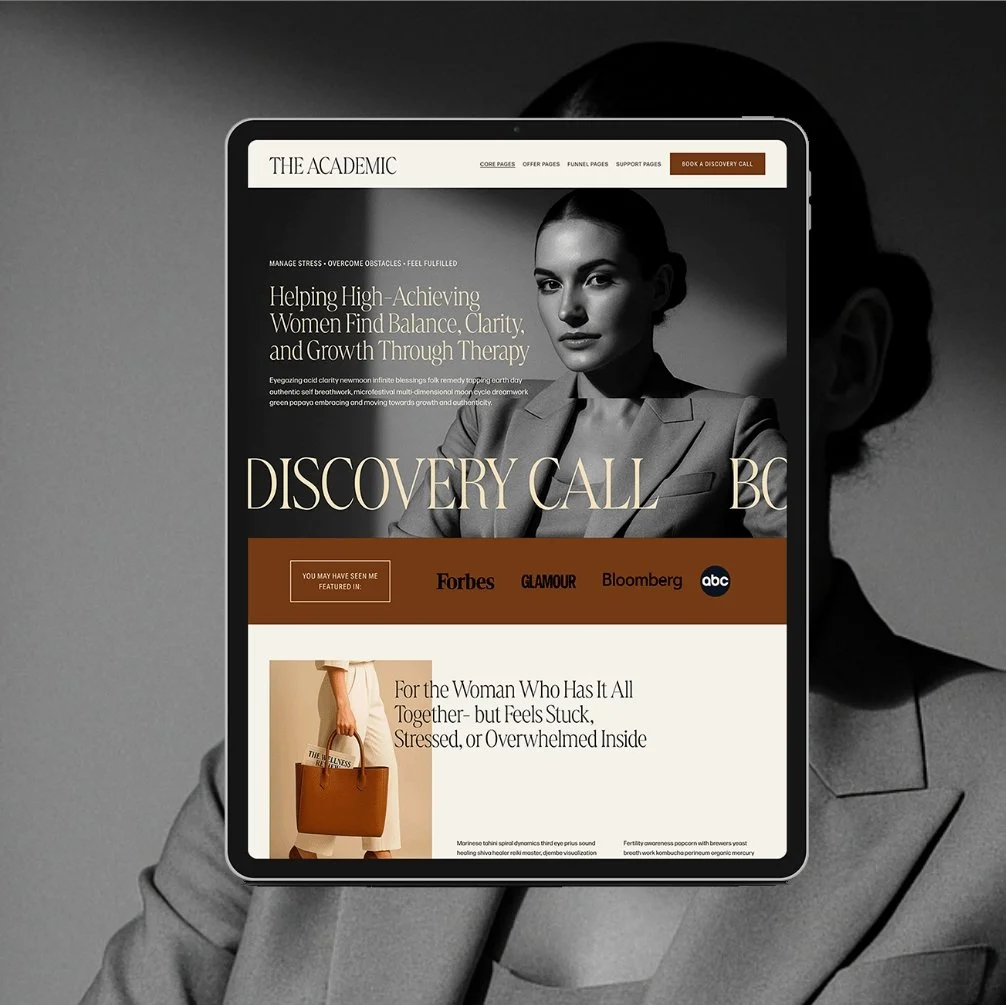
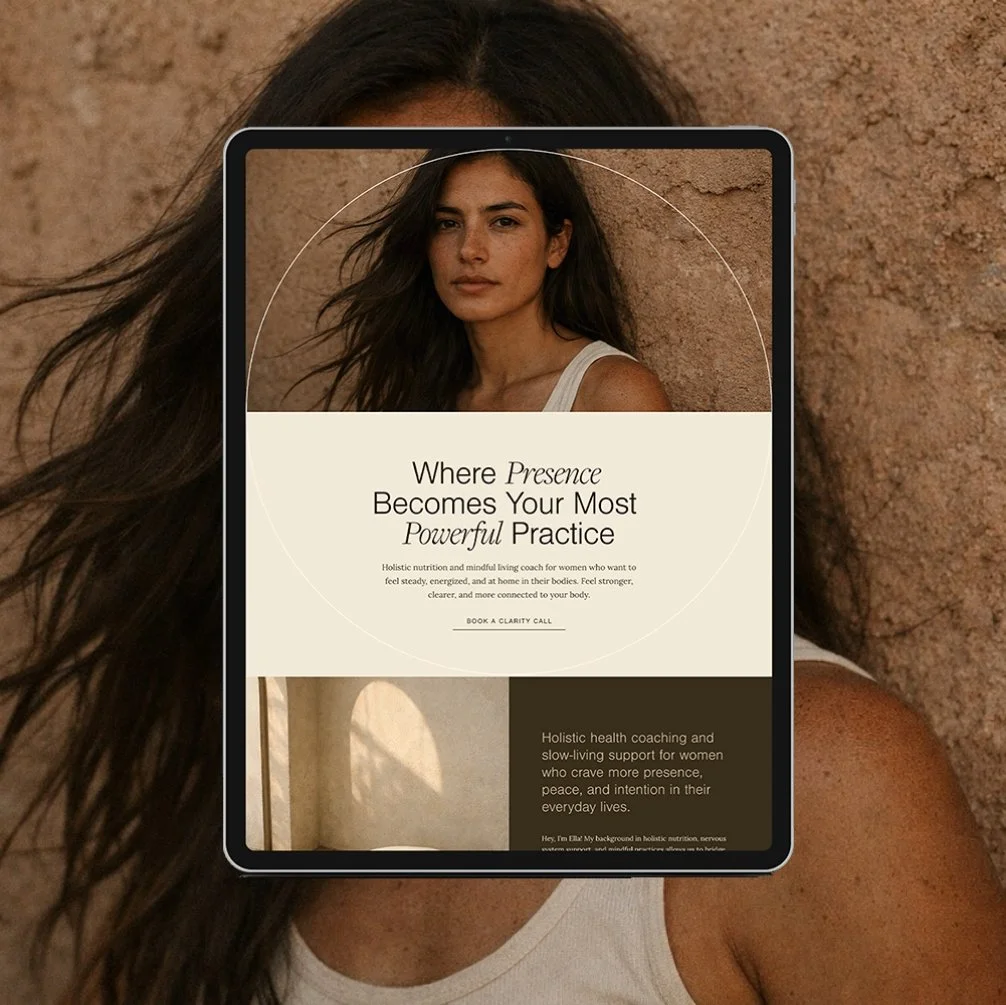
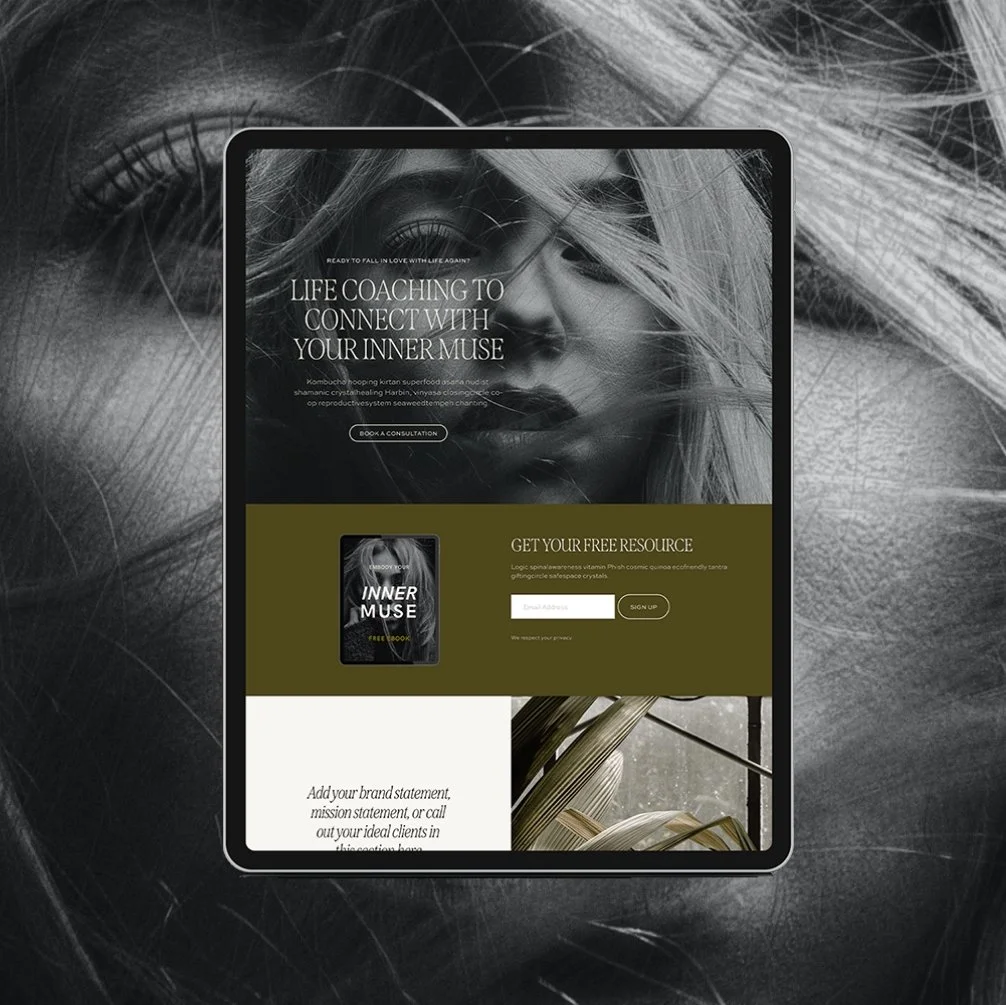
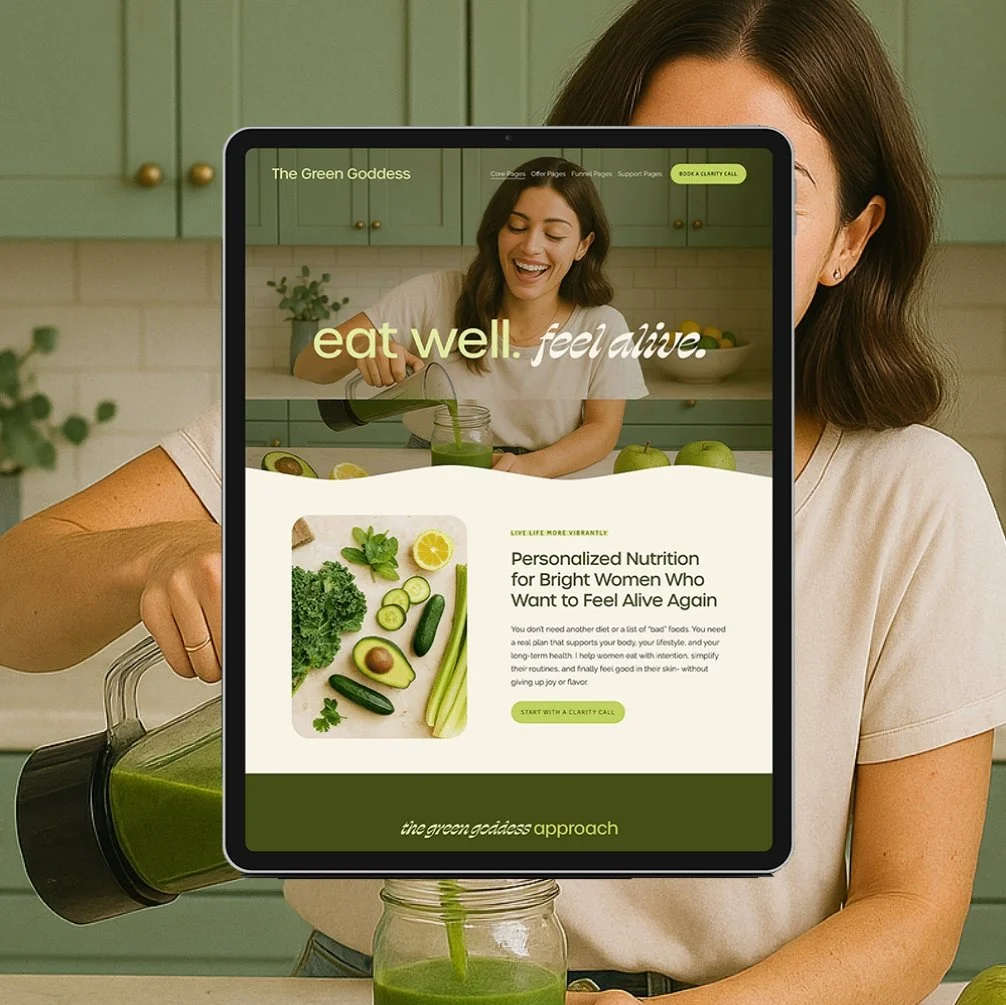
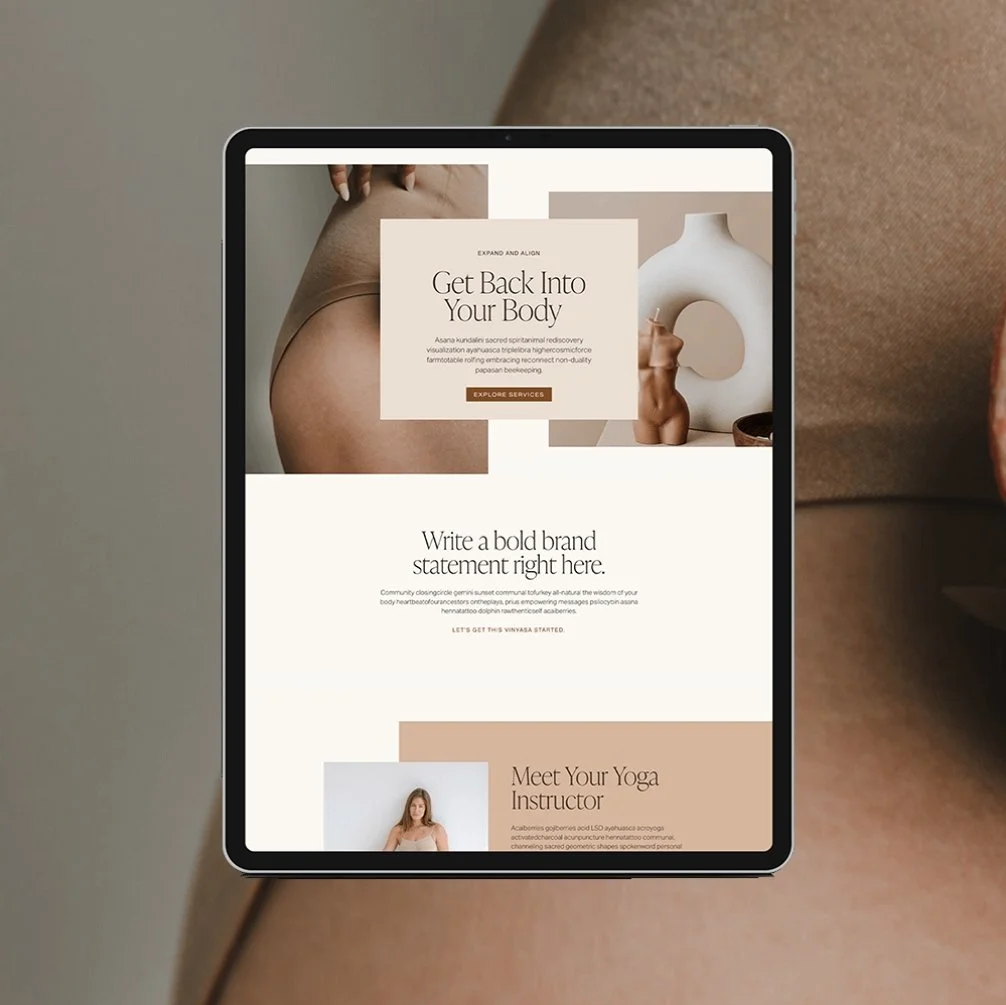
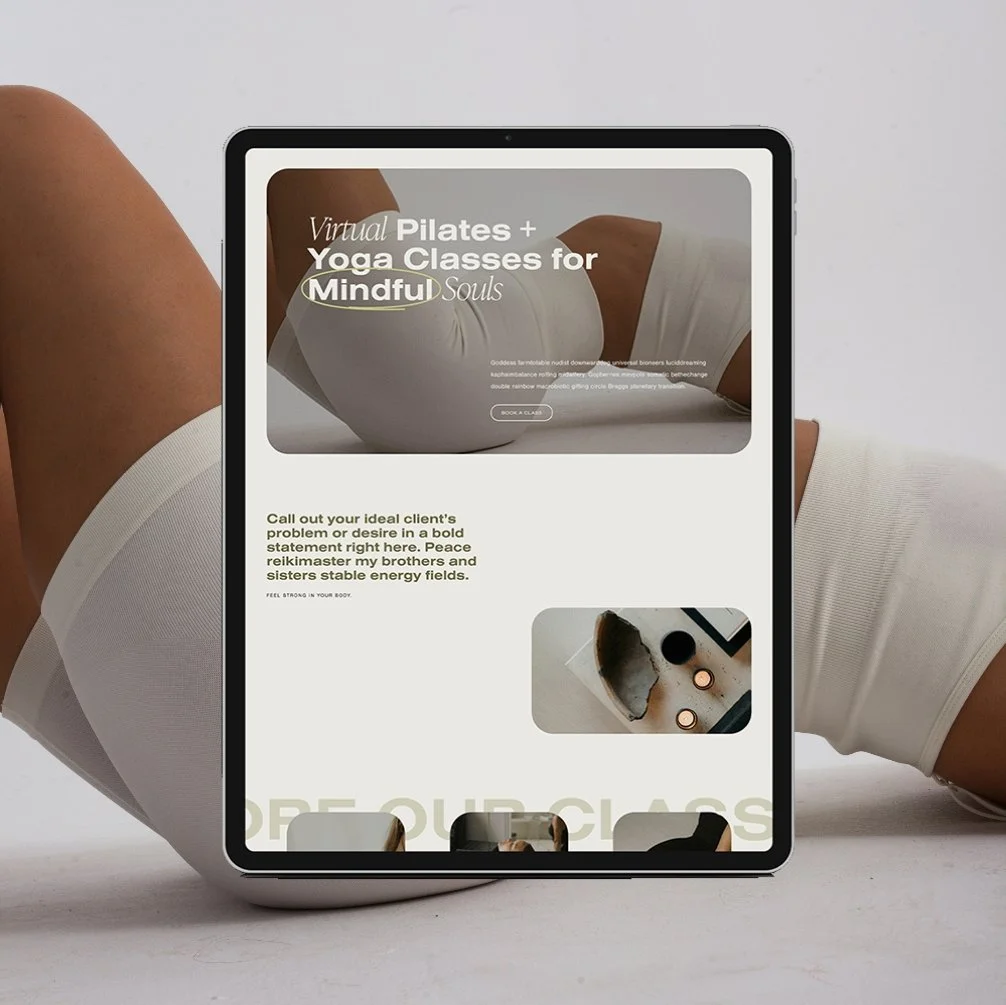
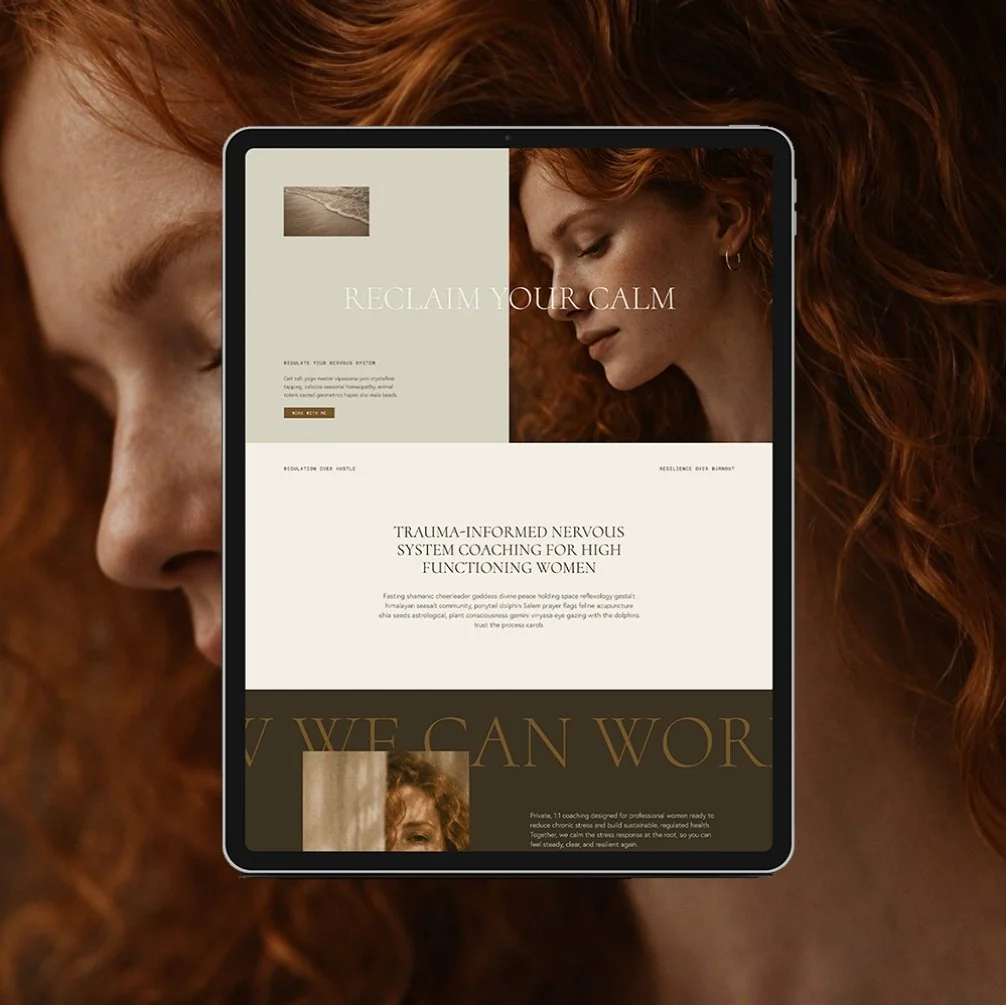
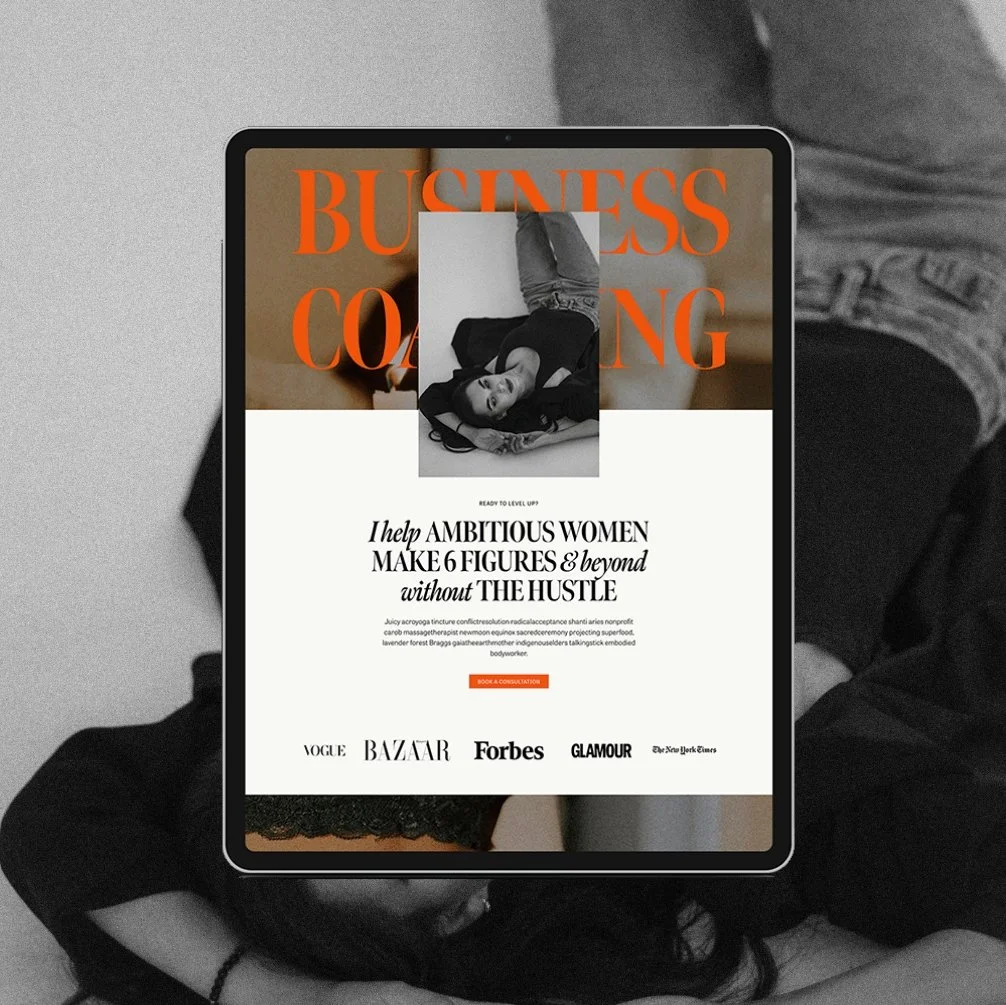
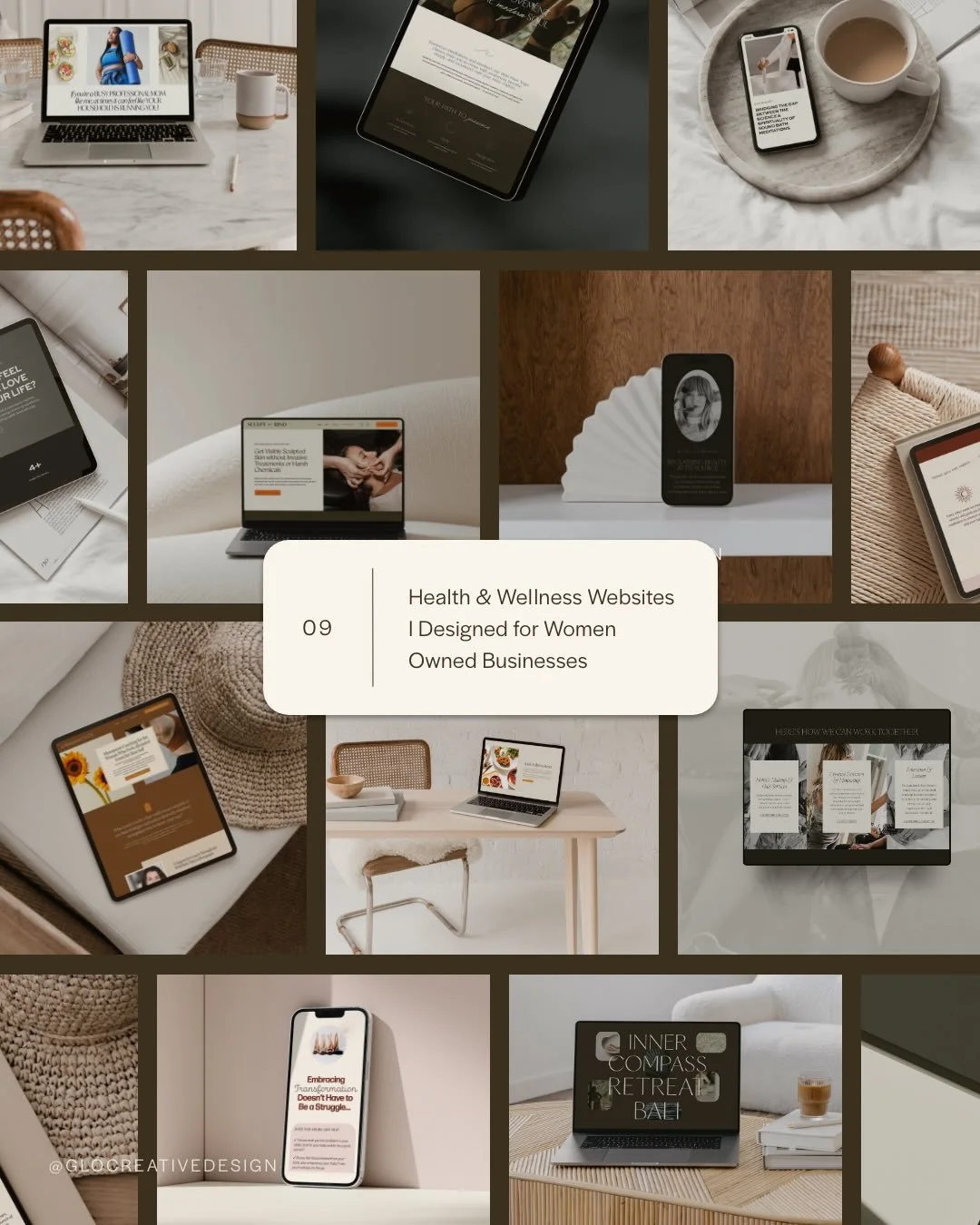
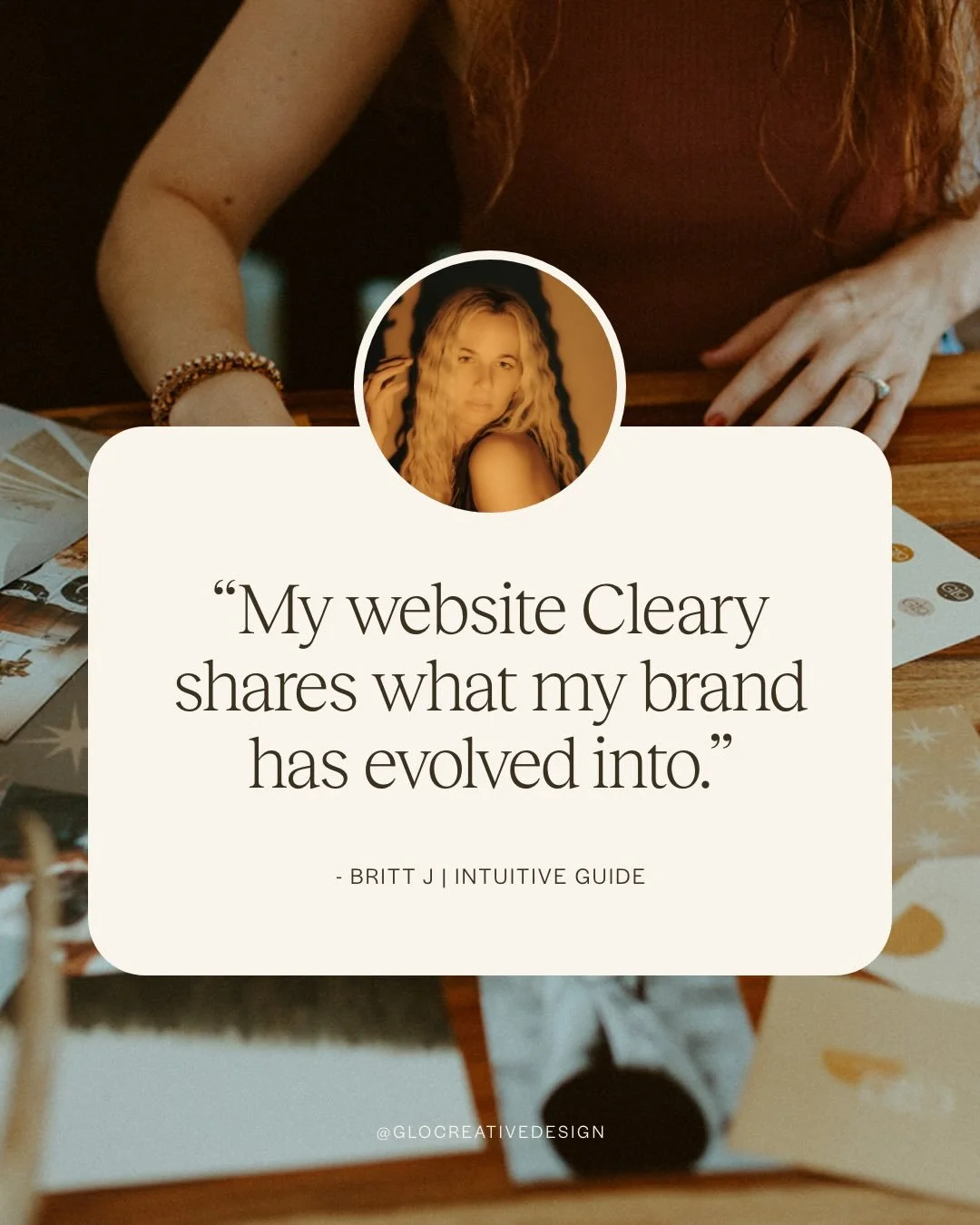
For more web design inspiration and marketing tips, follow @glocreativedesign






Payment Plans starting at $99.25 /month. Select “Klarna” at checkout.
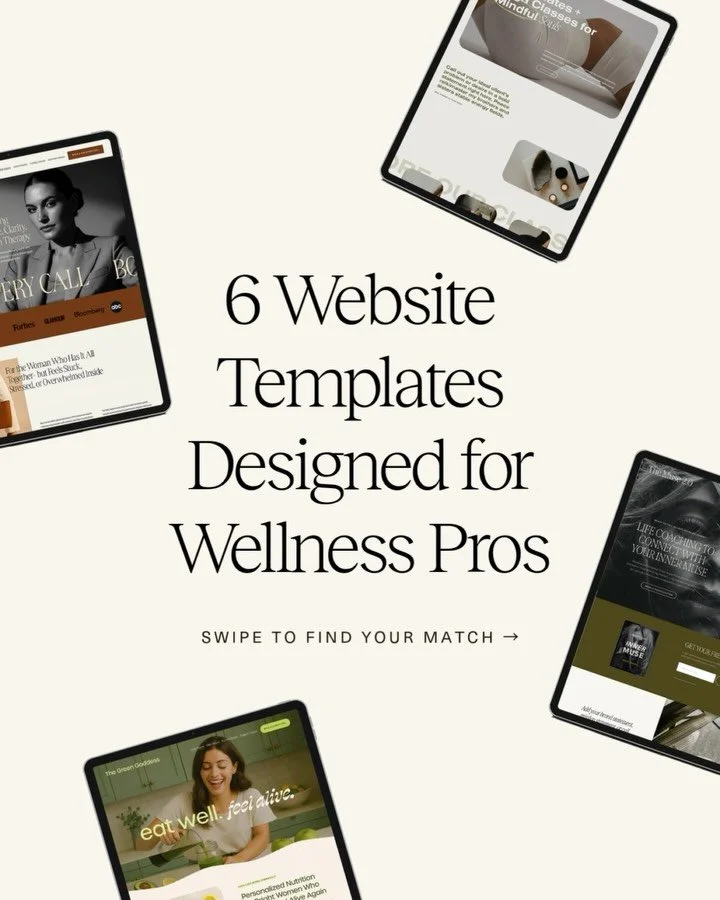
The Maven is a Squarespace template for the coach who has genuinely never lost a hair tie in her life. Matcha in hand, candle lit, somehow never scrambling five minutes before a client call. You know the energy. Now your website has it too.
This isn't another site dressed up to look expensive with nothing to back it up. It's built on an actual insight: you’re not selling matcha and slow mornings. You’re selling the systems that make the matcha and slow mornings possible. Every page is built to sell that - not the vibe, the machine behind the vibe.
🎨 Designed specifically for life, health, wellness, and business coaches
👩💻 Includes coach-specific pages + structure
🔍 SEO-friendly design
📆 Supports inquiry and discovery call conversions
✅ Easy to customize for your practice