
The Easiest Welcome Email Sequence for Health Coaches

The Easiest Welcome Email Sequence for Health Coaches
(5 Emails in Flodesk)
Joining an email list is a small act of trust, especially in the wellness space.
When someone gives you their email, they’re not just asking for a free resource. They’re opening the door to a conversation. A welcome email sequence is how you step into that space thoughtfully, introduce yourself, and set the tone for what it’s like to be in your world.
This is one of the most common gaps I see with health coaches and wellness practitioners who are new to email marketing. They’ve done the hard part - created an opt-in, connected it to their website, maybe even sent a newsletter or two - but subscribers are dropped straight into random nurture emails without context.
And that matters more than you think.
A welcome sequence isn’t about selling. It’s about orientation, connection, and trust - especially in the wellness space, where people move slowly and want to feel safe before they take the next step.
Let’s walk through the easiest way to set one up.
What Is a Welcome Email Sequence (and Why It Matters)?
A welcome email sequence is a short, automated series of emails that every new subscriber receives after joining your list.
Instead of landing in your inbox with no context, your subscriber is introduced to who you are, what you stand for, and how you support your clients. It makes your subscribers feel a deeper connection to you and your brand, rather than a random email in their inbox.
This is especially important if you’re new to email marketing. Without a welcome sequence, someone might download your freebie and then not hear from you for weeks, or suddenly receive a nurture email that assumes a level of familiarity that doesn’t exist yet.
A welcome sequence bridges that gap.
Don’t forget to save this post to Pinterest!
What a Welcome Sequence Should Actually Do
In my opinion, a welcome sequence isn’t about convincing someone to buy.
It’s about connection.
This is the place to introduce yourself and your brand. To share your mission, your values, and why you do this work. To show how you help people and how you’ve supported others in the past.
By the time someone finishes your welcome sequence, they should feel a stronger sense of trust and familiarity. Sometimes that’s enough to help them take the next step. Other times, they’ll continue engaging with your nurture emails until the timing feels right.
Either way, they now feel like they know you, instead of being thrown into your inbox cold.
The Easiest Welcome Email Sequence for Health Coaches
If you’re just getting started, I recommend keeping things simple.
A five-email welcome sequence, delivered over the course of one to two weeks, is more than enough to build trust without feeling overwhelming. These emails don’t need to be long, and with the right prompts, you can realistically write the entire sequence in a single afternoon.
Here’s the structure I use and recommend.
Email One: Welcome + Your Origin Story
Your first email sets the tone.
This is where you briefly share who you are, who you help, and why this work matters to you. Focus on the moment you realized the “old way” wasn’t working - whether that’s within the wellness industry or your own experience - and what you do differently now.
You don’t need to overshare. Keep it relevant, grounded, and human.
A simple invitation to create a personal connection at the end works beautifully here:
“Hit reply and tell me what brought you here.”
Email Two: Your Values and Your Line in the Sand
This is where brand loyalty begins.
Use this email to clearly communicate what you believe about wellness care, and just as importantly, what you don’t do. Naming what you stand against helps the right people feel seen and supported.
This might include your stance on restriction culture, shame-based approaches, or extreme protocols, alongside what you do prioritize instead: sustainability, nervous system support, and root-level care.
At the end, you can guide readers toward a “start here” resource or a foundational page on your website.
Email Three: A Lesson You Had to Learn the Hard Way
This email is about relatability and trust.
Share one specific challenge you faced - personally or professionally - and what changed everything for you. Keep the story solution-focused and grounded in the work you do now.
Offer a small, actionable takeaway they can try that week. Then invite them to reply and share what they notice.
These kinds of emails often receive the most responses because they feel real and approachable.
Email Four: Social Proof Without the Sales Pitch
By now, your reader knows you. This email reinforces credibility.
Share a few short client wins and reflect on what they had in common. You can also address common questions or hesitations in a casual, FAQ-style way - the kind of things people are often thinking but haven’t asked yet.
Linking to testimonials or a case study page here makes sense, but the goal isn’t to sell. It’s to reassure.
Email Five: An Invitation With Clear Boundaries
This is the first email where I recommend including a clear invitation.
Use it to share who you’re best for, who you’re not the best fit for, and what working with you actually feels like. Transparency here builds trust.
Then extend a low-pressure next step - booking a call, applying, or even just replying to share what kind of support they’re looking for.
When invitations come from genuine excitement to help, they don’t feel salesy. They feel supportive.
A Healthier Way to Think About Selling in Email Marketing
A general guideline I like is 75% value and 25% invitation.
Selling doesn’t have to mean a big pitch. Sometimes it’s as simple as mentioning that you have openings coming up and letting people know where to learn more if they’re interested.
When you approach selling from a place of service - not pressure - it often feels surprisingly natural.
Why Flodesk Makes This Process So Much Easier
One of the reasons I recommend Flodesk so often is because it removes friction.
Creating automated email sequences, workflows, and segments feels intuitive instead of overwhelming. I use automations and workflows daily, and so do my clients - especially those who don’t consider themselves tech-savvy.
A Simple Way to Set This Up in Flodesk
At a high level, the setup looks like this:
Write your five emails in a draft doc
Create a workflow + upload your emails
Connect your workflow to your opt in segment(s)
Trigger it when someone subscribes
Add short delays between emails (1-2 days)
Publish and automate!
That’s it.
If you want a step-by-step walkthrough of how to connect Flodesk to you Squarespace website, I share it here:
→ How to Add Squarespace to Your Flodesk Website
If you’re ready to try Flodesk, this is the platform I personally use and recommend:
What Your Website Needs Before This Works Well
Before setting up a welcome sequence, make sure your website is doing its part.
You’ll want a clear freebie, thoughtful opt-in placement, and messaging that builds trust before asking for someone’s email. This is exactly why structure matters.
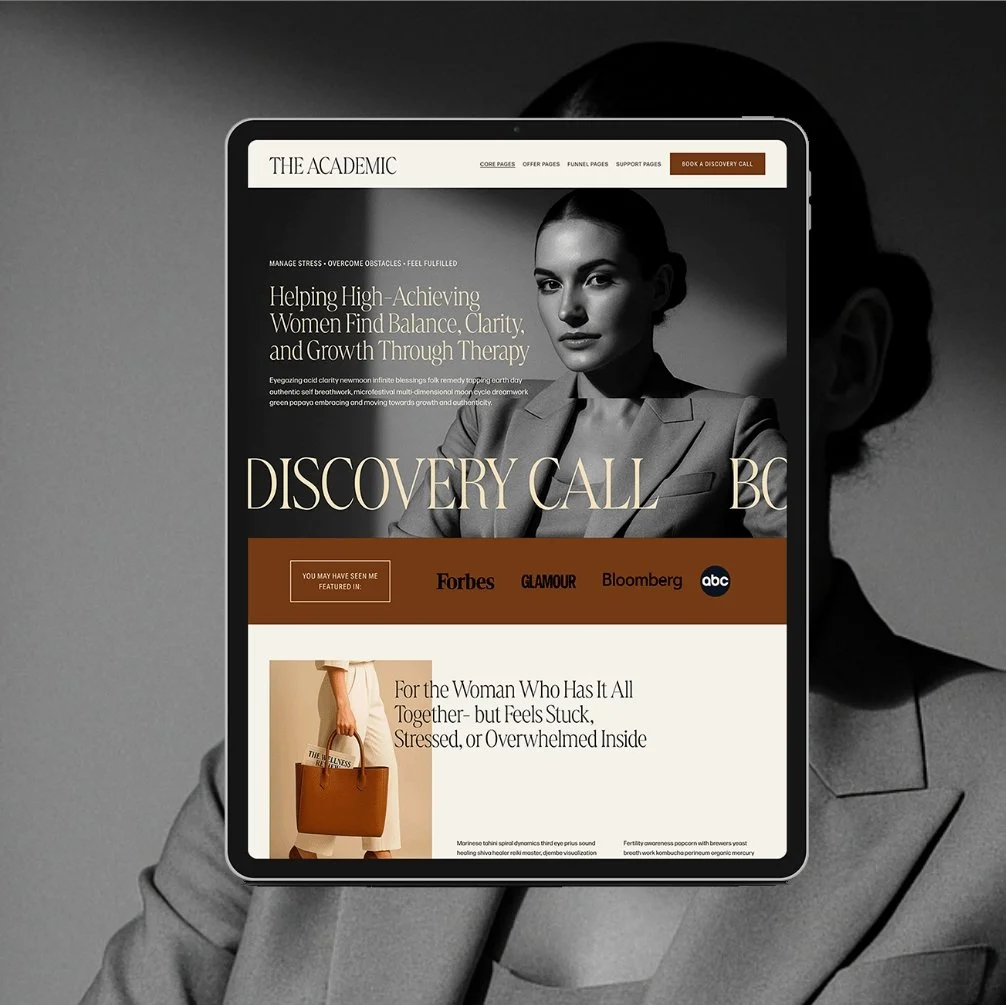
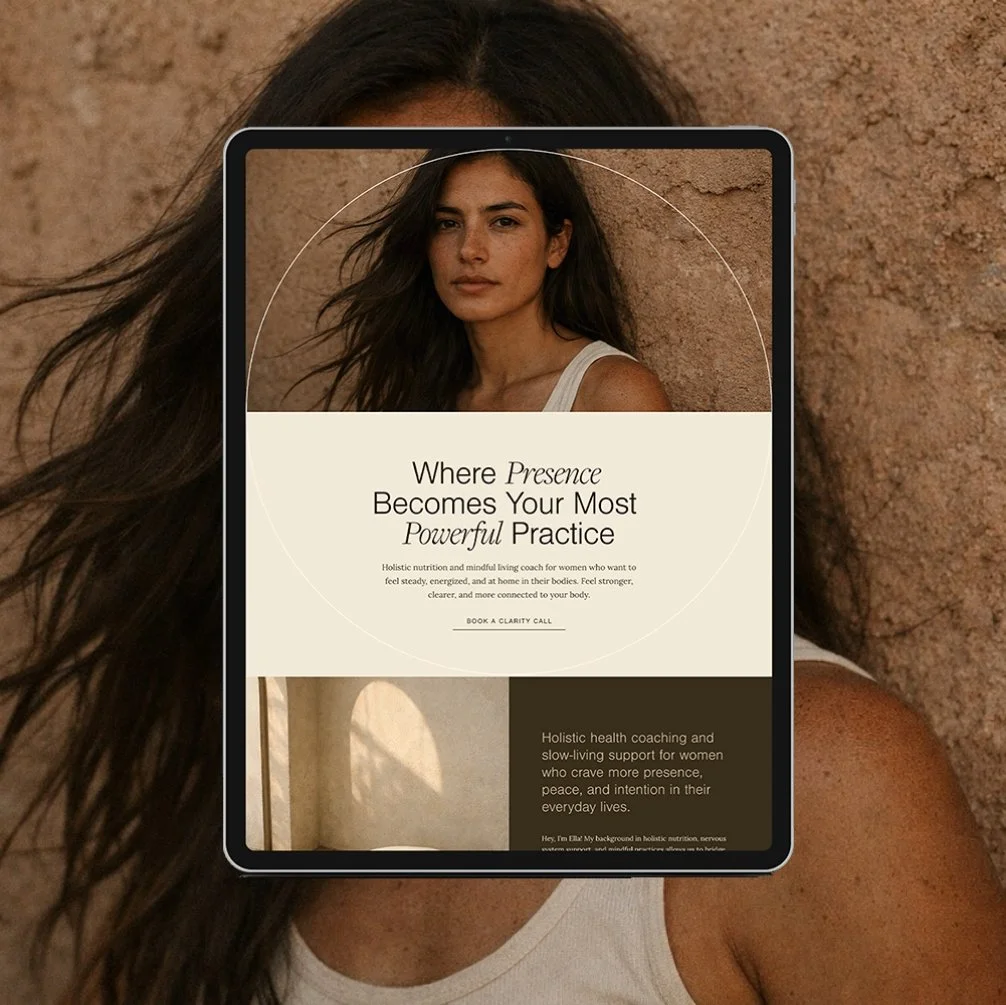
Every Squarespace template in my shop is designed with built-in opt-in sections so your email marketing system works seamlessly with your website from the start.
→ Explore my Squarespace website templates for wellness businesses here.
Frequently Asked Questions
How many emails should a welcome sequence include?
Five emails is a great starting point, especially for beginners.
Do welcome emails need to be long?
Not at all. Clarity and intention matter more than length.
Do I have to sell in my welcome sequence?
No - but a genuine invitation in the final email can feel supportive when done well.
Is Flodesk good for beginners?
Yes. It’s one of the most intuitive platforms I’ve used for wellness professionals.
Final Thoughts
Email marketing doesn’t need to feel complicated, pushy, or performative.
A simple, intentional welcome sequence can quietly do a lot of heavy lifting - building trust, deepening connection, and making future invitations feel natural instead of awkward.
You don’t need a perfect email marketing strategy. You just need a place to begin. And this is a really good one.
If you want to start building that strategy, Flodesk is the tool I trust and use myself:
Don’t forget to save this post to Pinterest!

Hey I'm Jamie | Squarespace Web Designer and Certified Health Coach
I specialize in building strategic, elevated Squarespace websites for wellness professionals who are ready to grow their business with more clarity, confidence, and ease.
After designing over 90+ websites and supporting dozens of women-owned wellness entrepreneurs, I’ve seen firsthand how intentional design and smart strategy can completely shift the way you show up, and how you sell.
This blog is where I share the real stuff: design tips, marketing strategies, and behind-the-scenes insights to help you build a brand online that actually works for you.
Disclaimer: My policy is to only share products and resources that have brought value to me and/or I believe will bring value to my audience. Some of the links in this post are affiliate links, and I will earn a commission if you make a purchase using them.
Related Posts
Shop the Templates
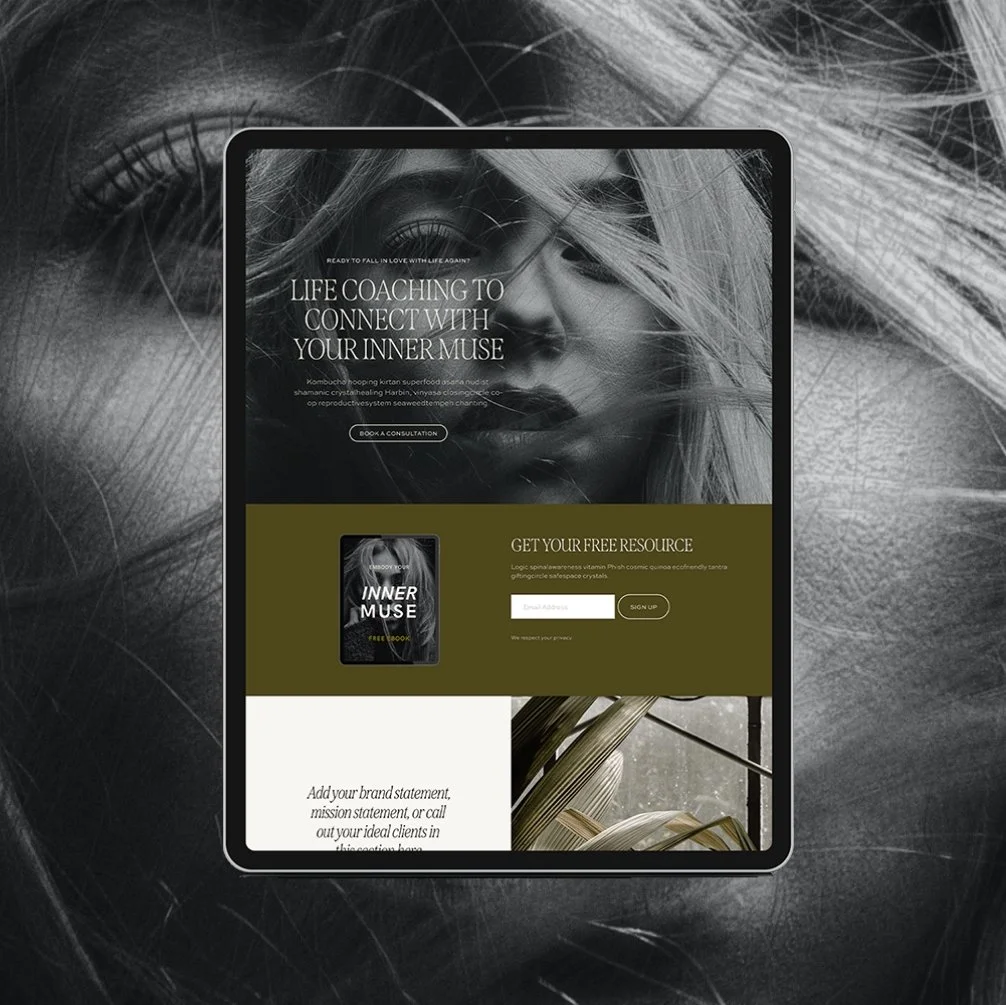
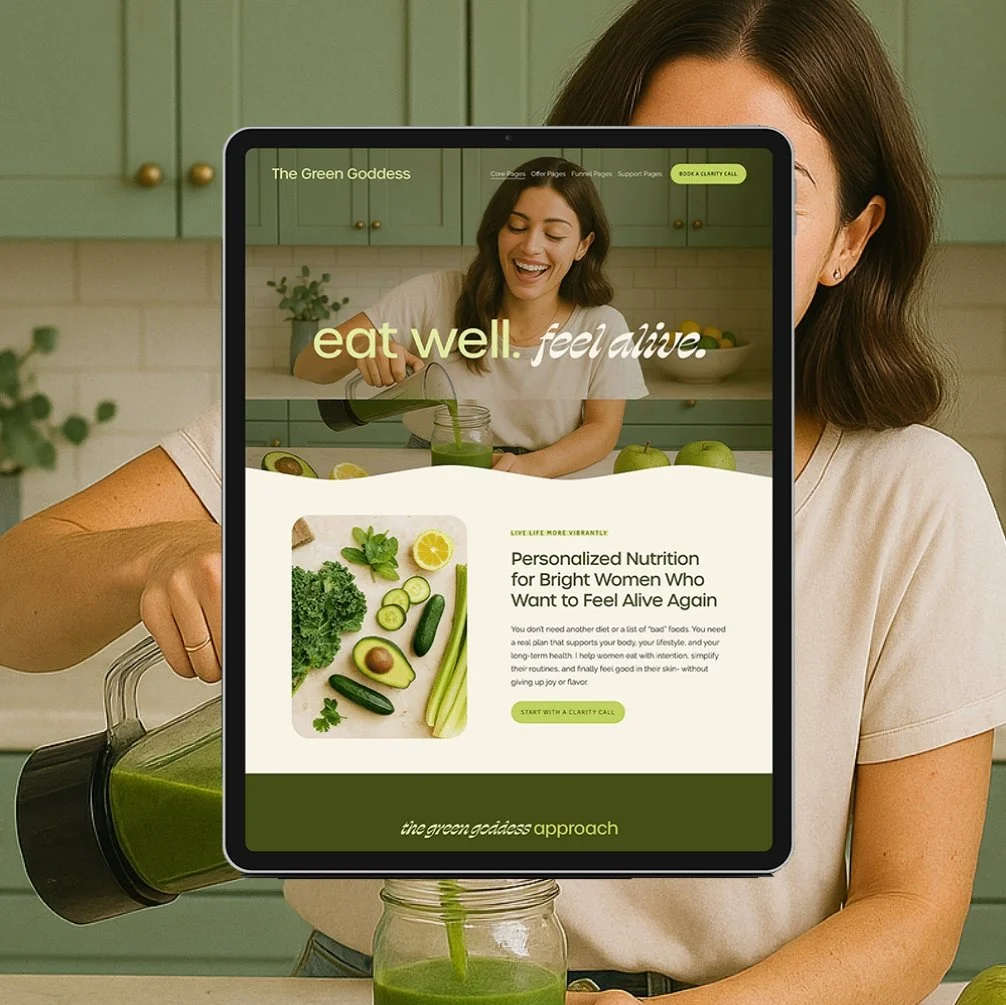
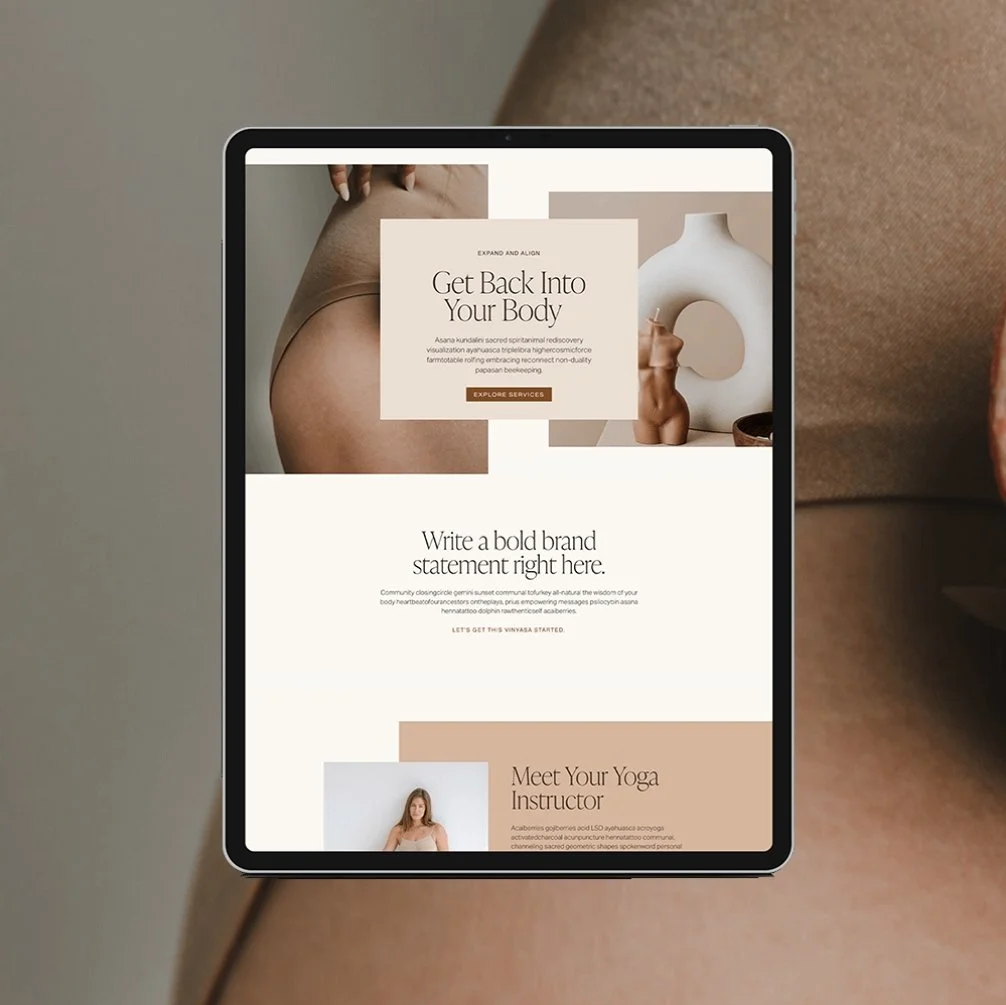
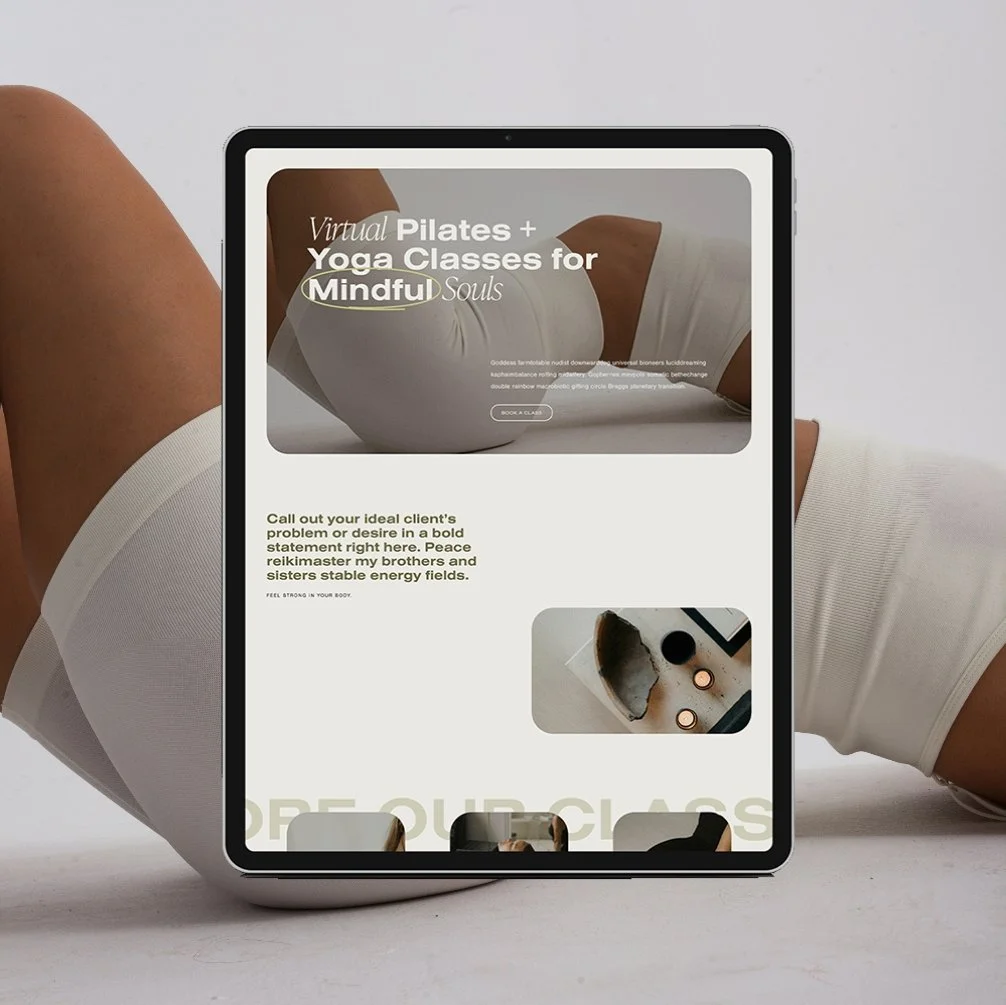
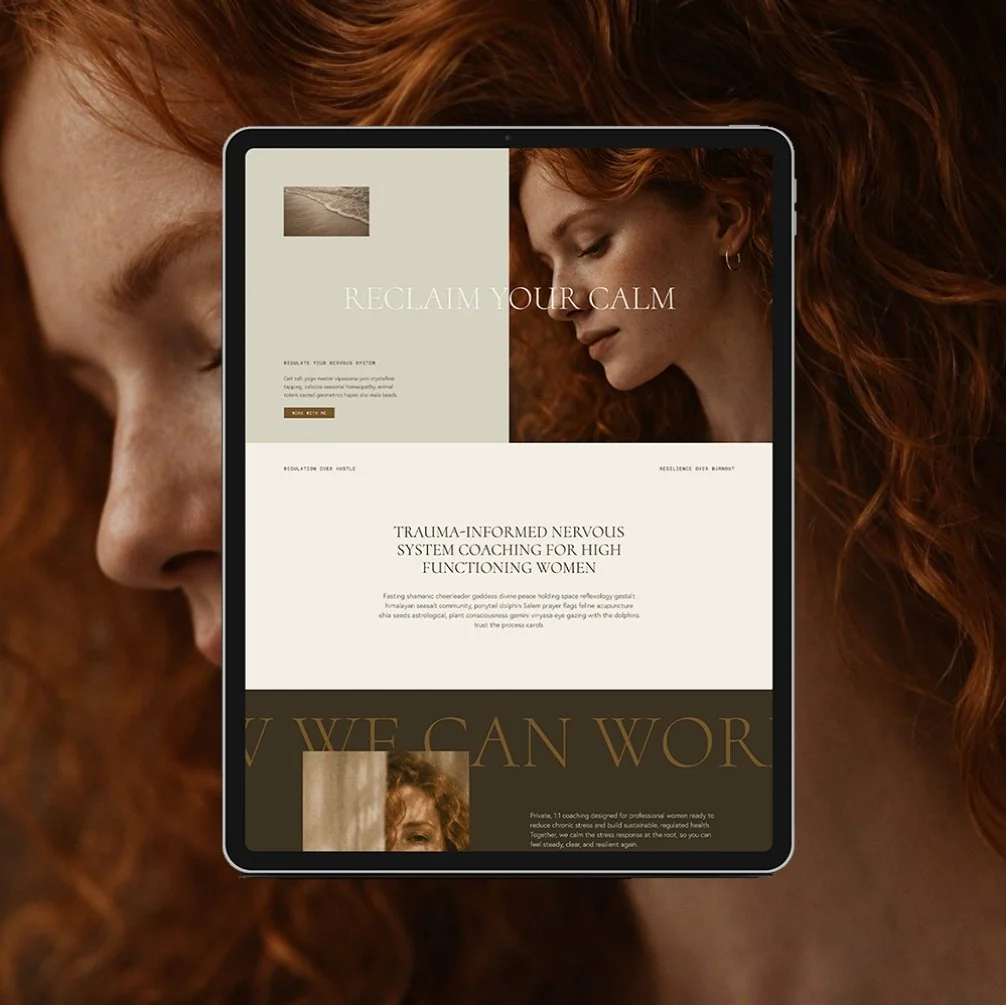
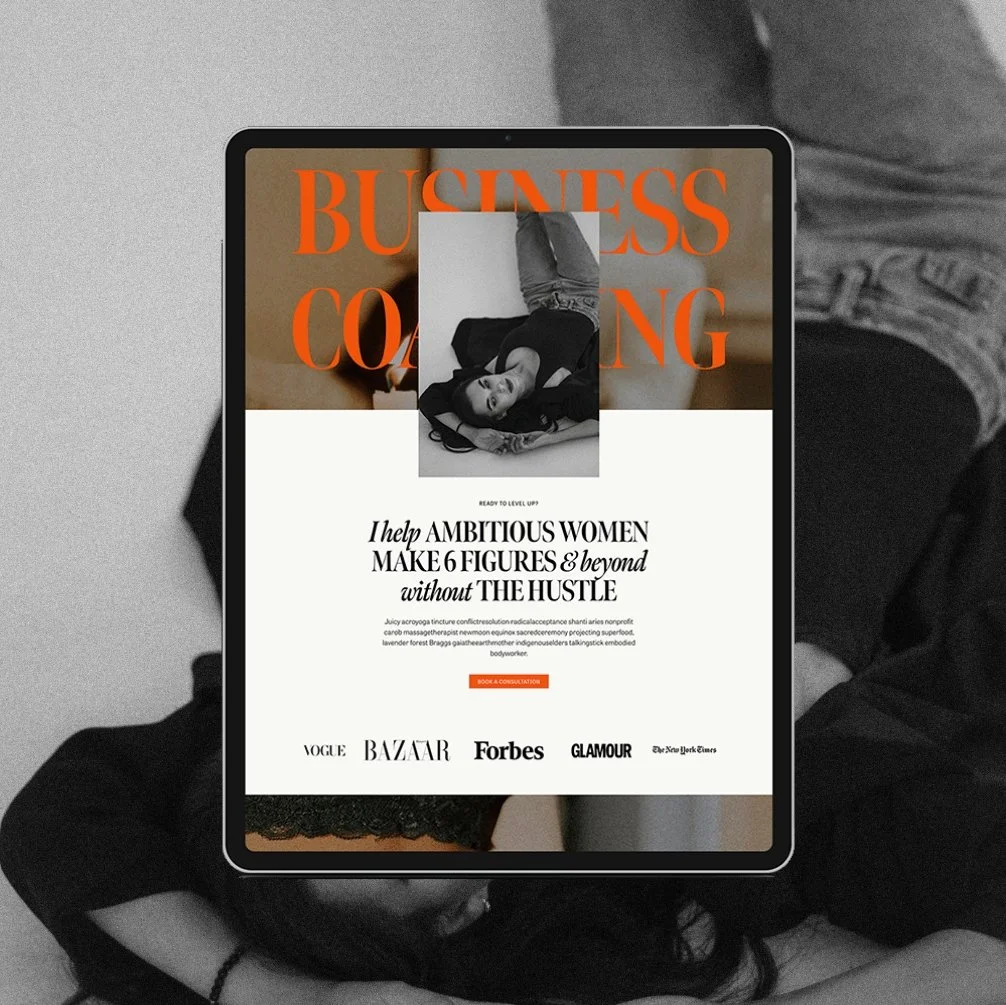
For more web design inspiration and marketing tips, follow @glocreativedesign



Payment Plans starting at $99.25 /month. Select “Klarna” at checkout.
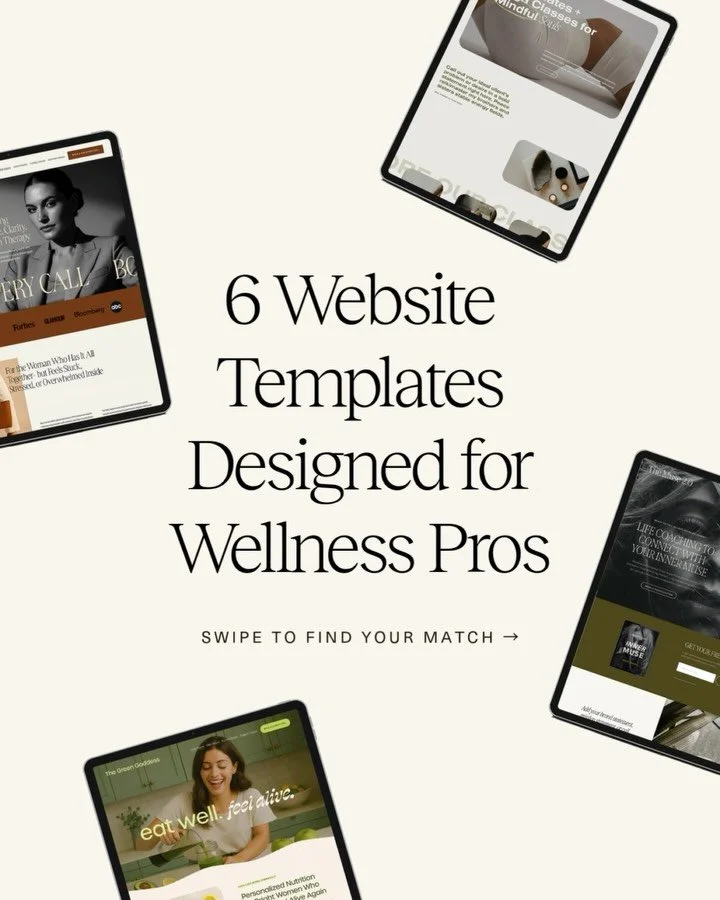
The Maven is a Squarespace template for the coach who has genuinely never lost a hair tie in her life. Matcha in hand, candle lit, somehow never scrambling five minutes before a client call. You know the energy. Now your website has it too.
This isn't another site dressed up to look expensive with nothing to back it up. It's built on an actual insight: you’re not selling matcha and slow mornings. You’re selling the systems that make the matcha and slow mornings possible. Every page is built to sell that - not the vibe, the machine behind the vibe.
🎨 Designed specifically for life, health, wellness, and business coaches
👩💻 Includes coach-specific pages + structure
🔍 SEO-friendly design
📆 Supports inquiry and discovery call conversions
✅ Easy to customize for your practice